The Style Series: Charlotte Chesnais
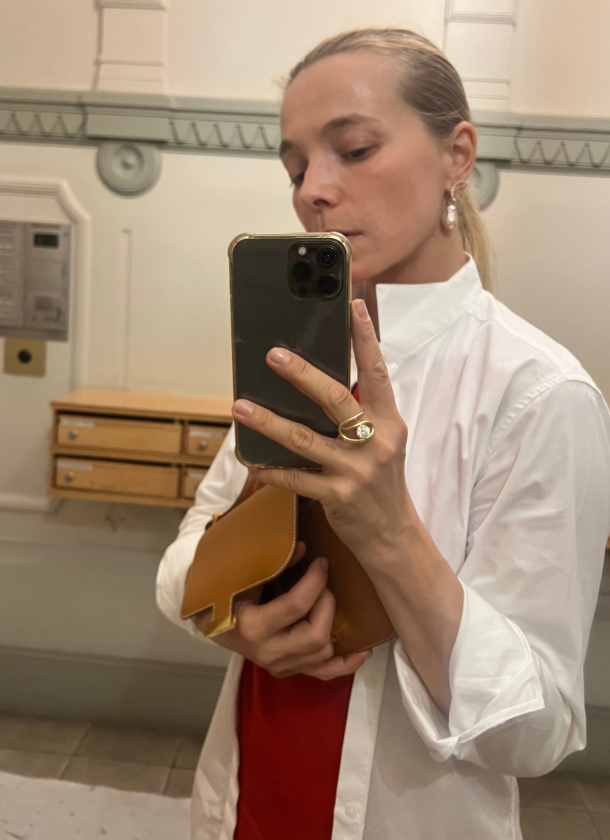
We spoke with the Parisian jewelry designer about her formative years alongside Nicolas Ghesquière, developing her own creative vocabulary through jewelry, and the places that make up her Paris.
You started working in fashion at just 19. How did you find your way into that world so young?
Looking back, 19 does feel very young. I didn’t grow up in Paris, and my parents had no connection to fashion. I was a year ahead at school, so I graduated at 17 and went to Studio Berçot. I started looking for internships and work at 19, and luckily found something quite quickly. I started very young, thinking it was just a test and that I would probably go back to studying a few years later. And then, somehow, more than 20 years have passed, and I’m still in the industry.
You went on to spend almost a decade at Balenciaga working with Nicolas Ghesquière. What was it like being inside the house during that extraordinary period?
I’m very aware of how lucky I was to spend those ten years working alongside Nicolas and being part of his studio. It was an incredible school, even if it could be difficult at times. I was young, full of energy, but certainly not as mature as I am today. It was also before social media, when working in a studio felt very different from today. I have some wonderful memories, and some tougher ones too, but I learned an enormous amount. I was very lucky to be at the heart of a project that fascinated the entire fashion world at the time.
Is there a Balenciaga collection or moment from those years that you still think about today?
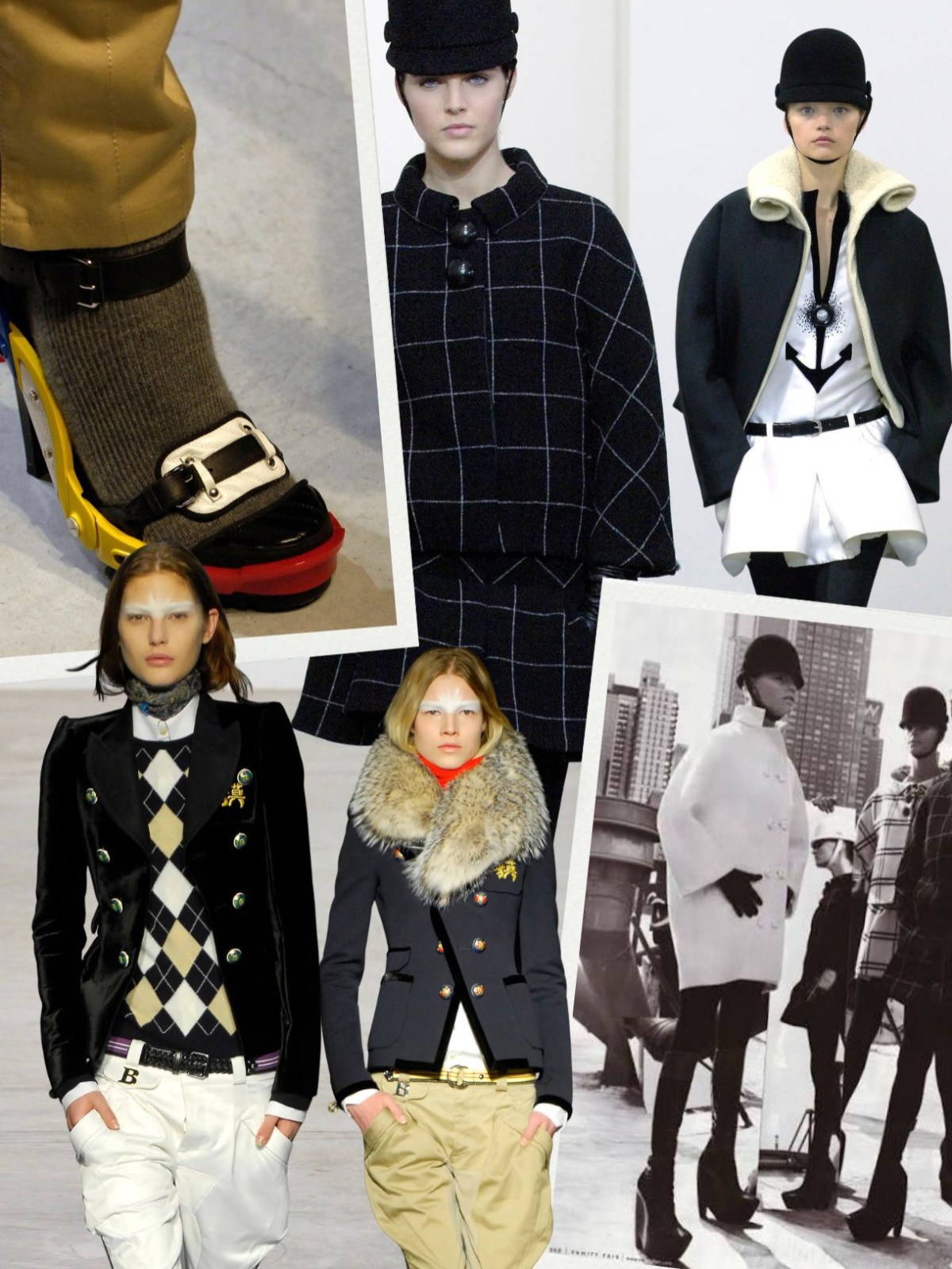
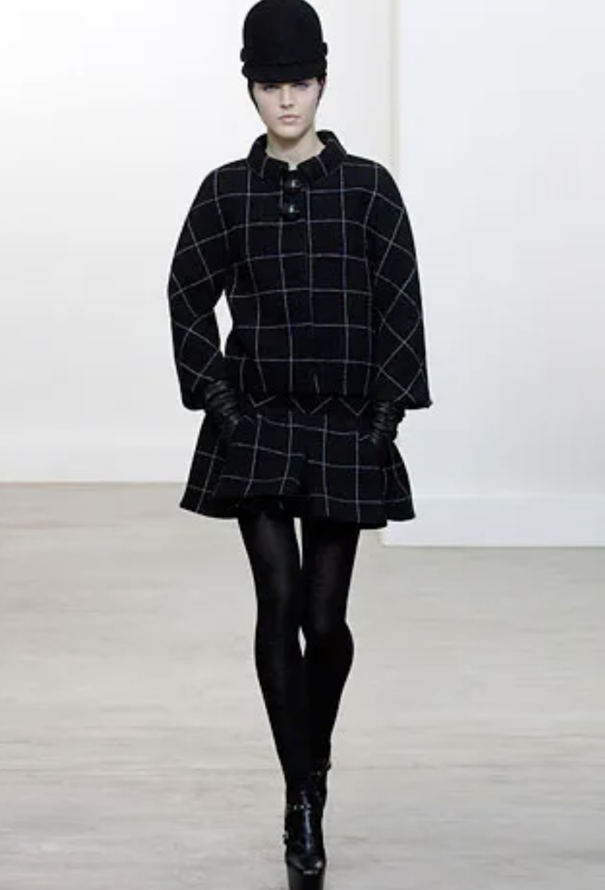
I don’t have just one favorite collection, but several that are very special to me. I joined just around the Fall/Winter 2006–07 collection, which was a tribute to Cristóbal Balenciaga, so that one has a very particular place in my memory. It was very black and white, with short skirts, sculpted coats and those incredible hats.
Then there was what I call the “college” collection, with jodhpurs, college jackets and the famous Fisher-Price shoes, inspired by snowboard bindings. I worked on the fur pieces, the jacket with the patch, the jodhpurs!
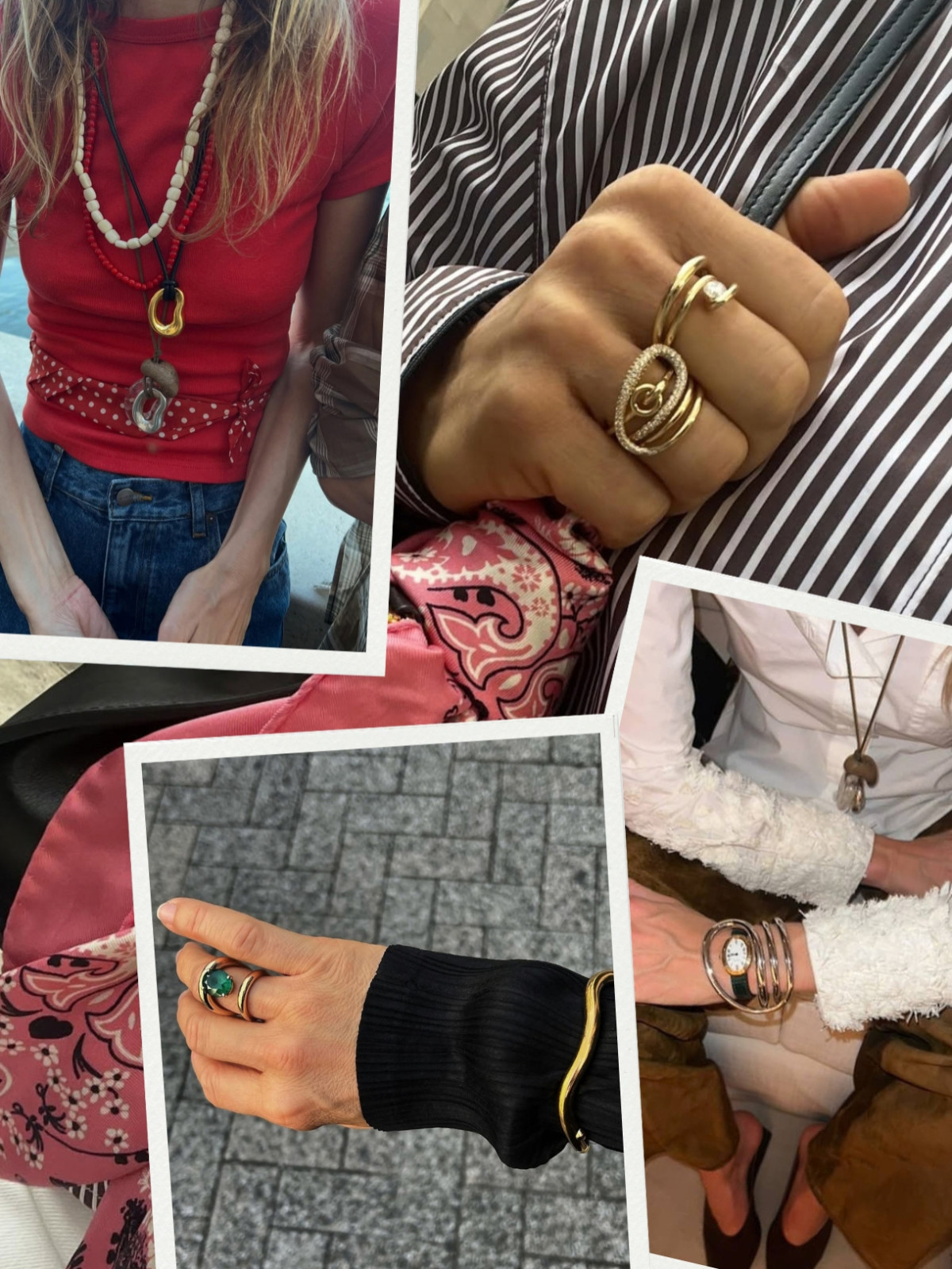
And then there were all the collections I later worked on, including the jewelry. My first jewelry collection was a kind of tribute to Saint Laurent, with, of course, a Nicolas twist. Each girl was wearing five or six bracelets on each wrist, so it was incredibly rich. So it’s difficult to choose just one. I have so many memories from that time that I could probably talk about them for hours.
You originally worked in ready-to-wear. How did jewellery enter the picture?
One day, Nicolas asked me if I could work on the jewelry for one of the collections I just mentioned. I said yes, of course, and I loved it — and I never stopped.
It felt almost like my mother tongue. It may sound a little strange, but drawing clothes in Nicolas Ghesquière’s studio for Balenciaga was quite challenging for me. I was constantly pushing myself and definitely wasn’t in my comfort zone. As soon as I started designing jewelry, everything felt much more natural and fluid. I immediately felt completely at ease.
When you launched Charlotte Chesnais, what did you want to do differently from traditional jewellery?
When I started my brand, I didn’t even really want to start a brand. I started making jewelry simply because nobody was asking me to. At the time, I was doing a lot of freelance work for ready-to-wear collections, but I missed jewelry terribly — and, above all, I missed the level of creativity I had experienced at Balenciaga.
I was working with more commercial fashion houses, so the jewelry project had to tick several boxes: it had to be deeply personal and highly creative. I wasn’t really interested in what I was supposed to do, what was already being done, or what was trendy. I also remember that, at the time, being a jewelry designer was quite popular among what we then called “it girls.” I didn’t feel like I was part of that world. I wanted to be recognized for the product and for the creativity behind it.
Your pieces often feel more like small sculptures than conventional jewellery. Where do you look for inspiration outside of fashion?
I’ve always been in love with shapes. Ever since I was a child, I’ve had a particular fascination with a beautiful chair, a spoon, a teapot — almost before I was interested in fashion.
Later, when I started making jewelry, I realized that it was a way for me to express that love of form. People often ask me about my inspirations, and of course there are many artists and sculptors who inspire me. But what I’m really trying to do through the brand is develop my own language. I don’t necessarily want to make collections that directly reference an artist or a particular work. What interests me is creating my own visual vocabulary. Working so much with metal, making models, manipulating and reworking shapes, has really helped me establish that language — and, ultimately, define the DNA of the brand.
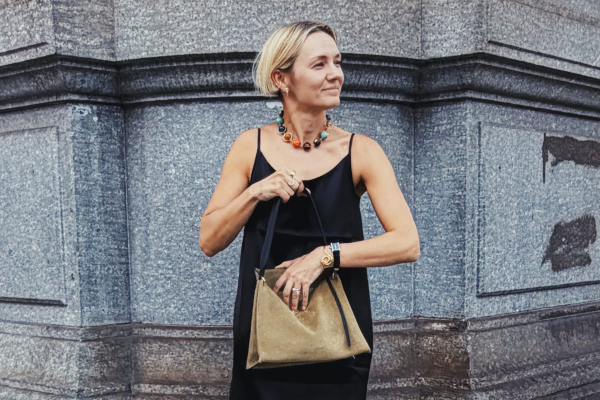
You have a very understated, distinctly Parisian way of dressing. Has your personal style always been quite instinctive, or has it evolved alongside your work?
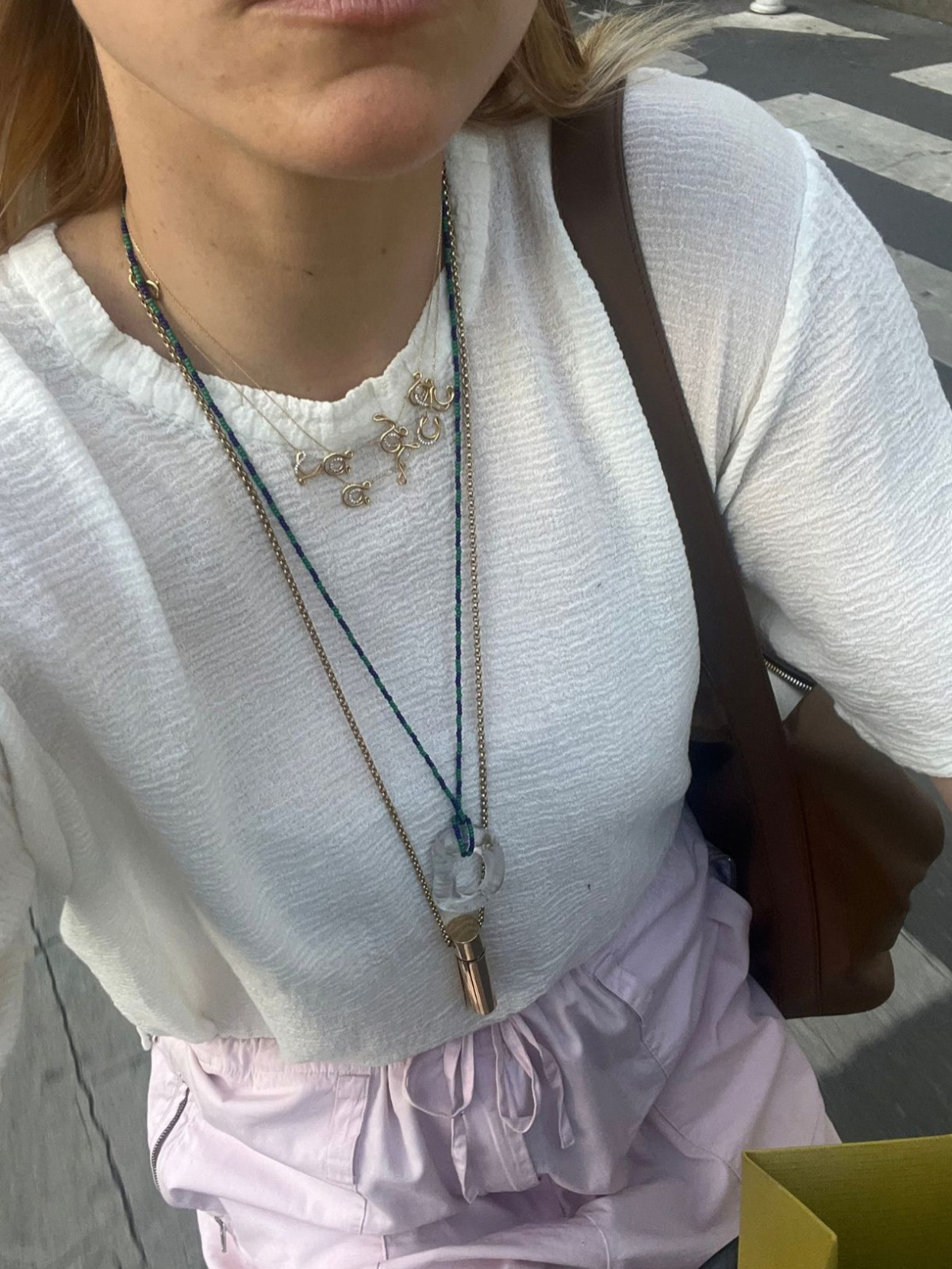
I think my style has evolved, but in a way it hasn’t changed that much. I was much more daring when I was younger and much more into fashion with a capital F. Today, I’m less interested in trends and more into beautiful pieces I can wear all the time.
And honestly, I don’t really think about my style. I never plan my outfits. I just get dressed in the morning, and when I travel, I throw things into a suitcase and figure it out when I get there. So I guess that’s my style.
You live in Saint-Germain and work at Palais Royal. What does your Paris look like? Can you share some of your favourite addresses?
Indeed, my Paris is somewhere between the Left Bank and the Right Bank. I love crossing the Seine by bike in the morning and in the evening. I feel incredibly lucky, because it gives me such an exceptional view of Paris — for me, almost the most beautiful one.
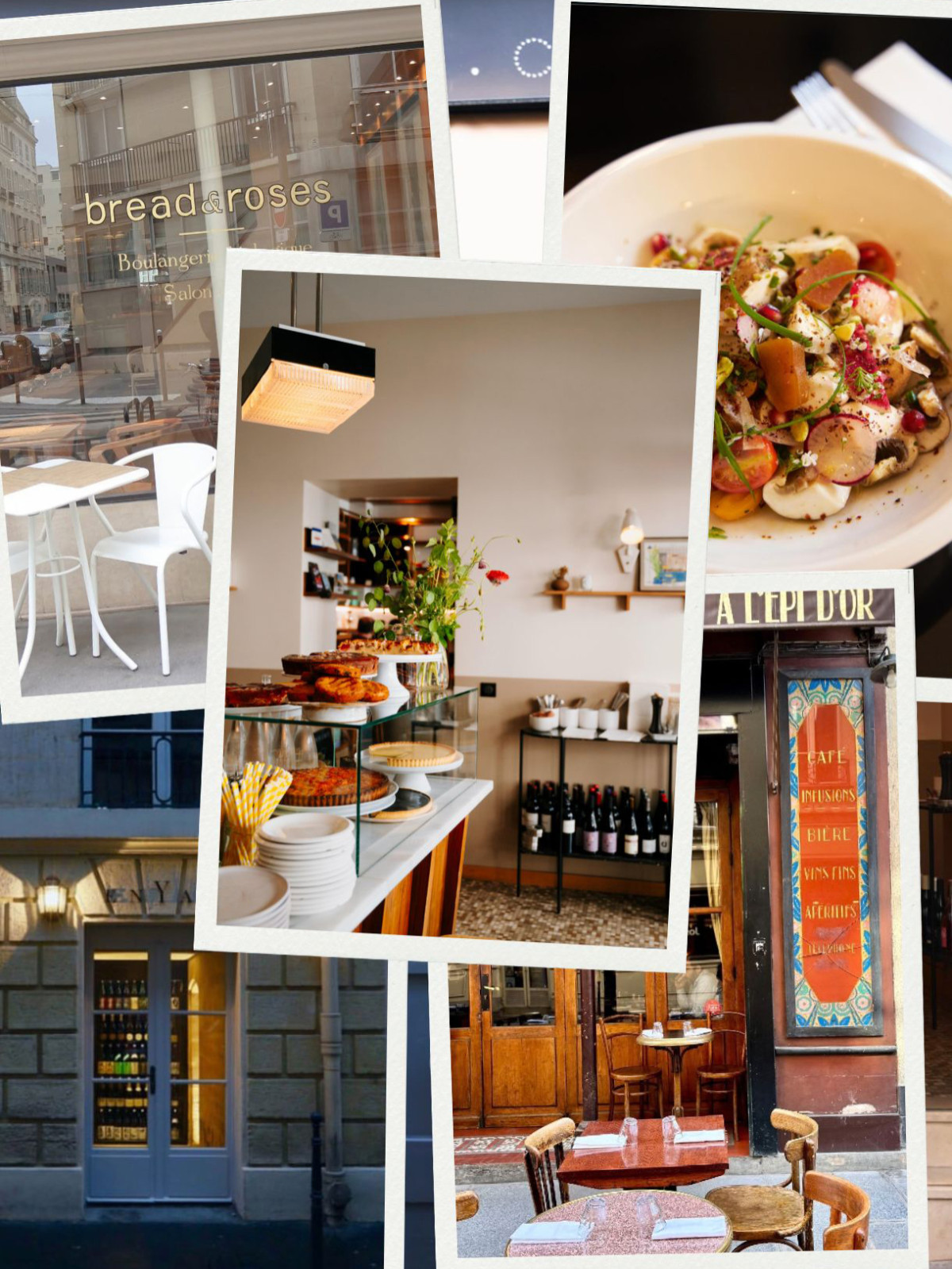
A few of my favorite spots: Bread and Roses (6th), Tram Café (5th), Rosebud (14th), L’Épi d’Or (1st), EnYaa (1st).
What is one thing you think Parisian women approach differently when it comes to getting dressed?
I’m not exactly revealing a great mystery, but I do think there’s a certain nonchalance to the Parisian woman — something very spontaneous and effortless. I notice it a lot when I travel, especially compared to British or American women. Sometimes I feel like my Parisian nonchalance is actually very much linked to my schedule — I simply don’t have the time to spend longer getting ready or looking more put-together.
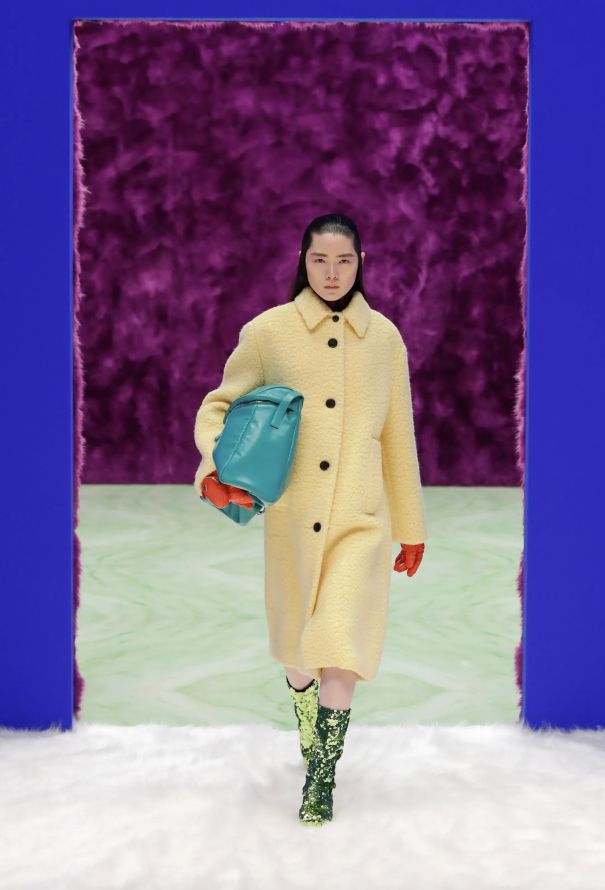
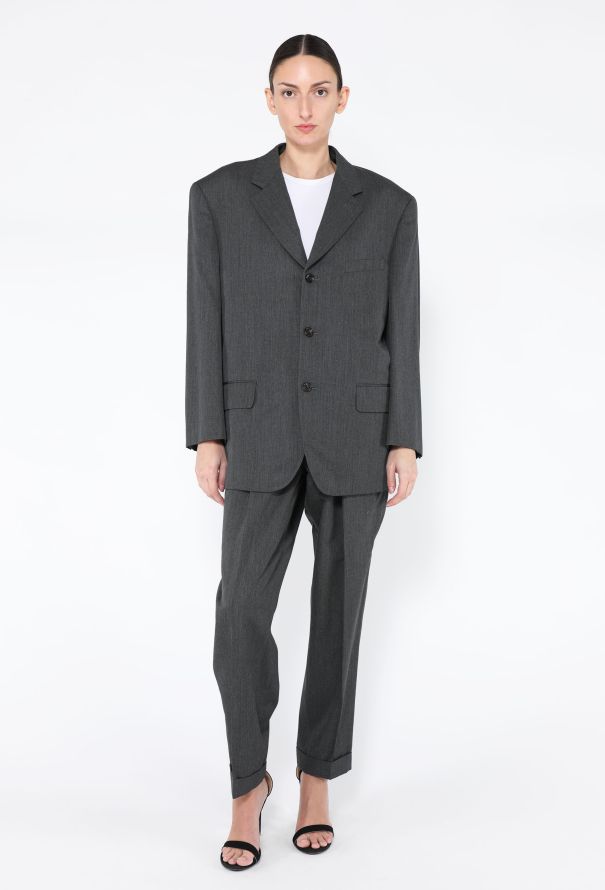
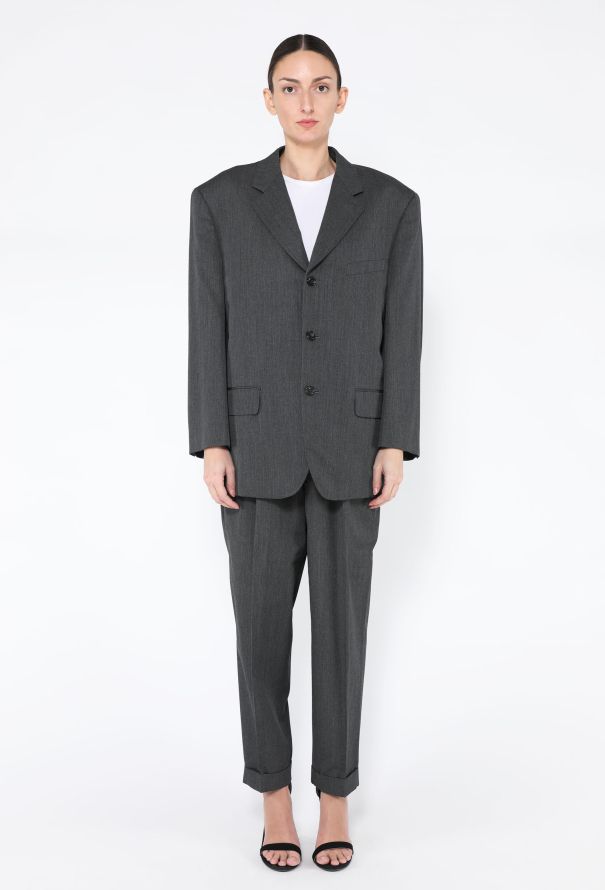
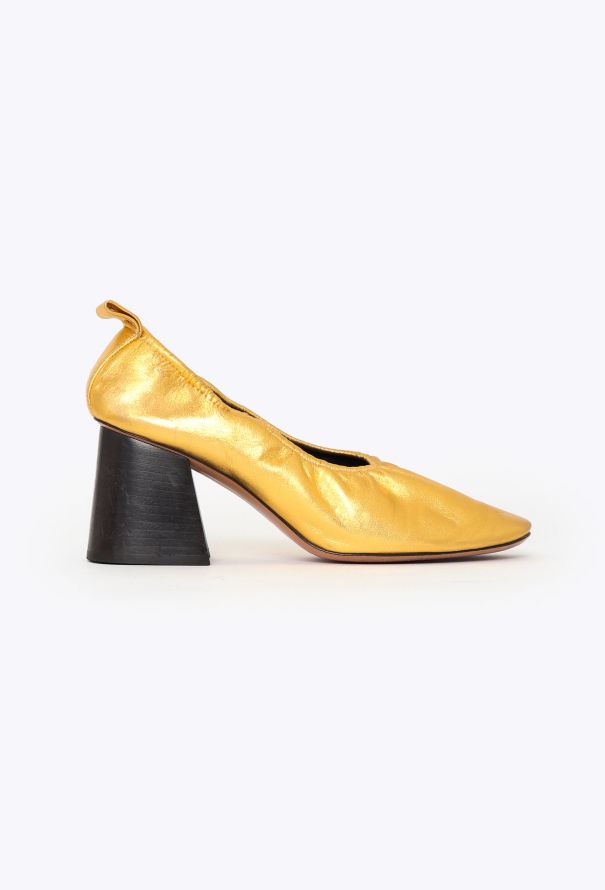
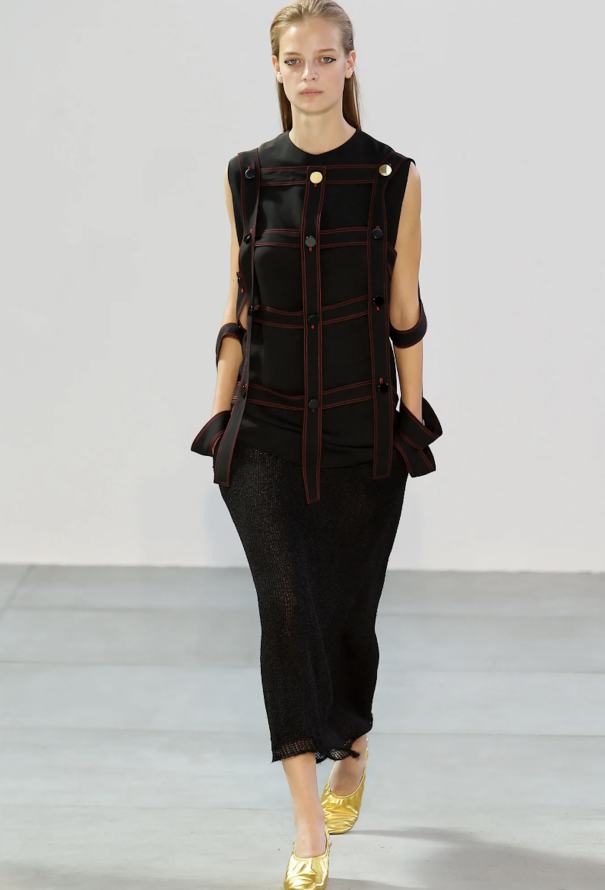
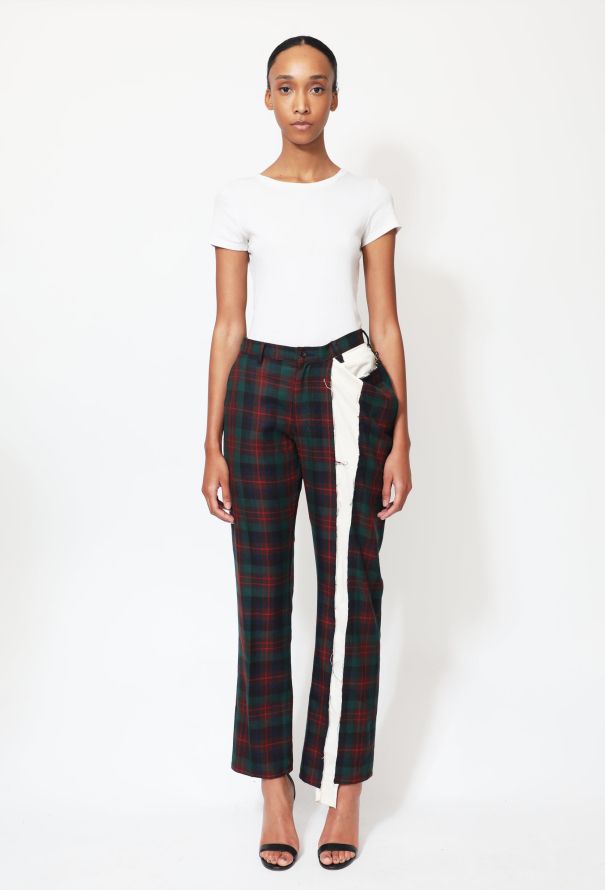
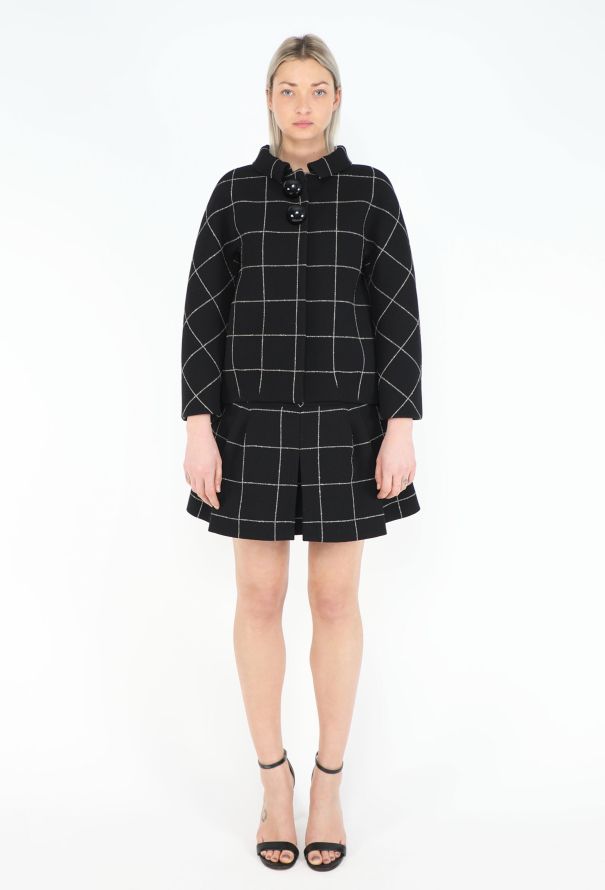
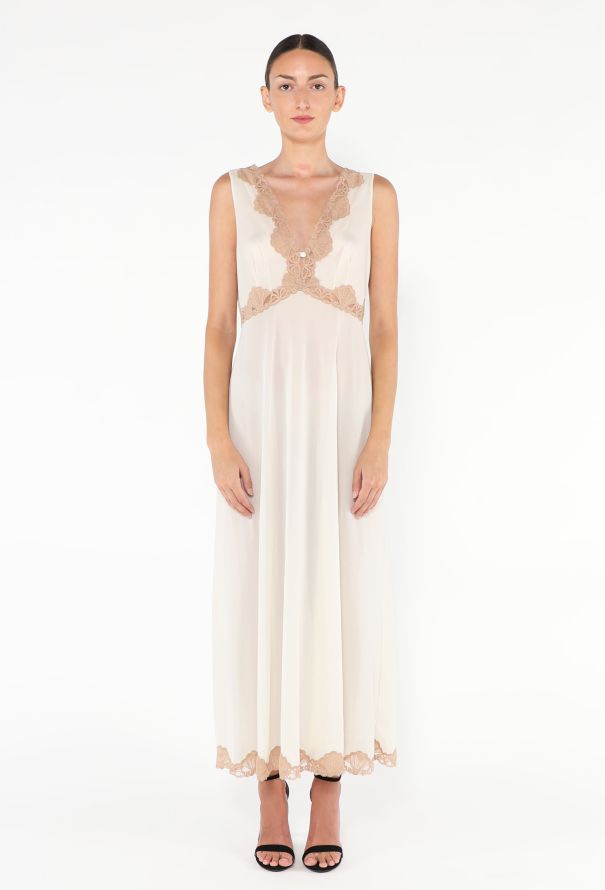
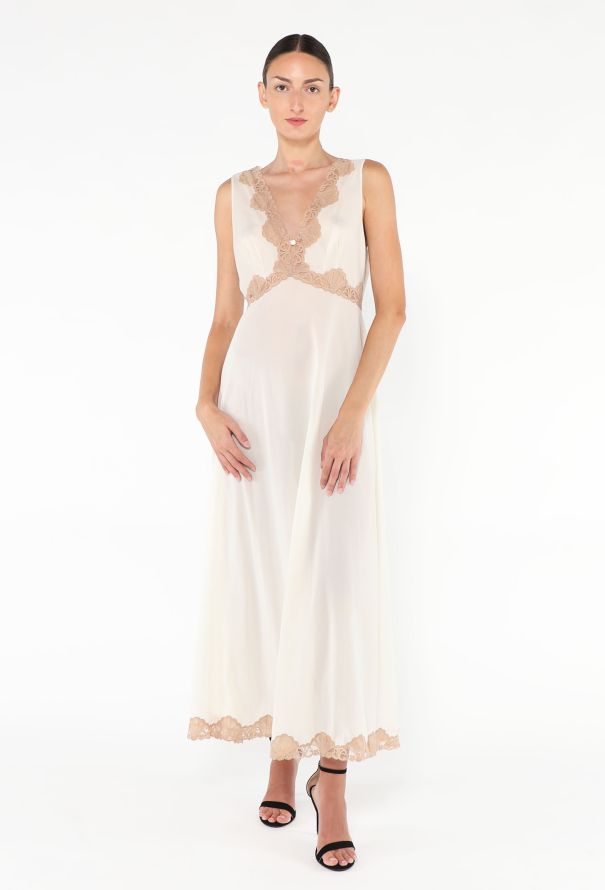
Shop Charlotte's Wishlist
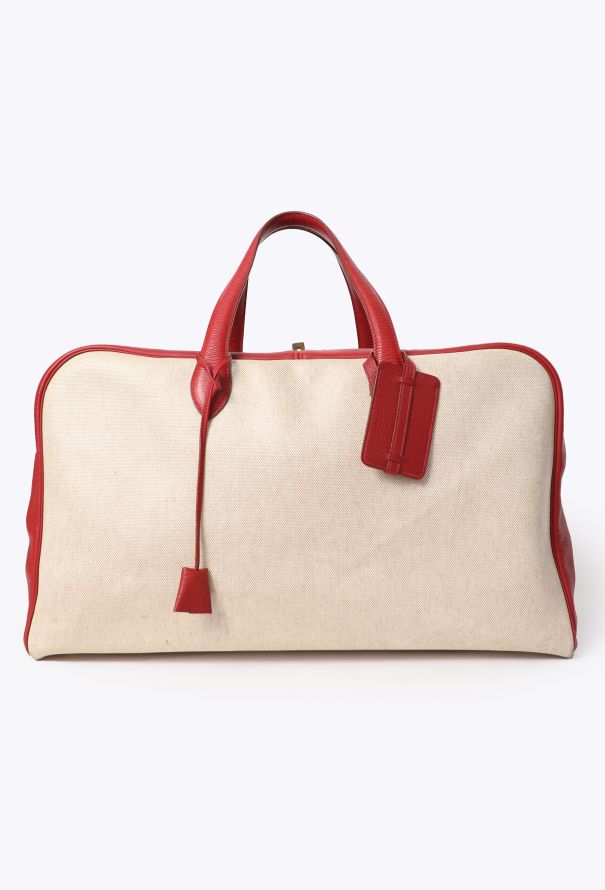

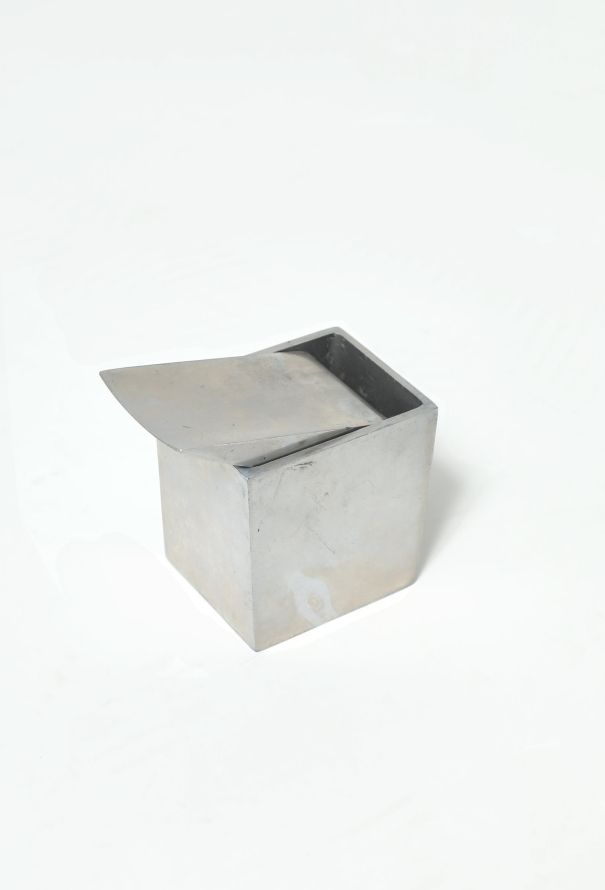
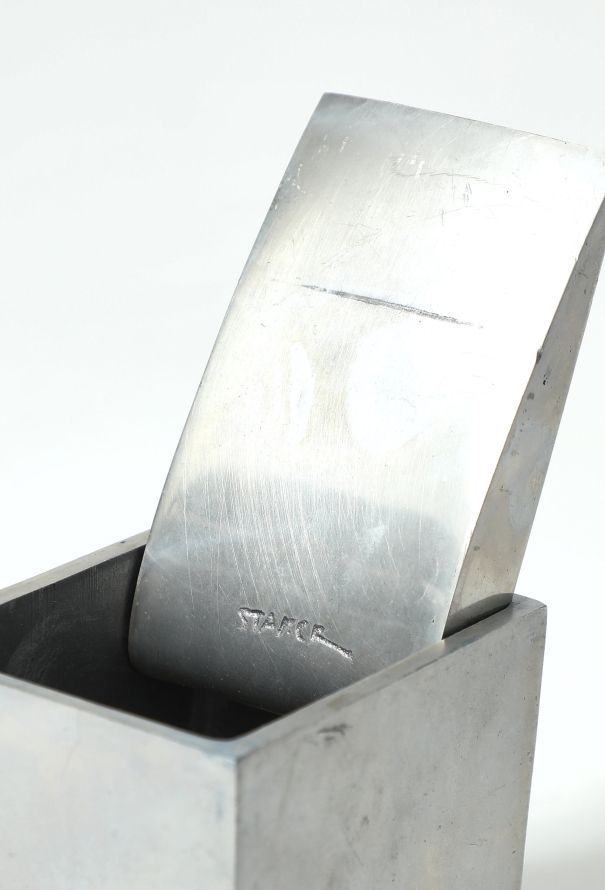
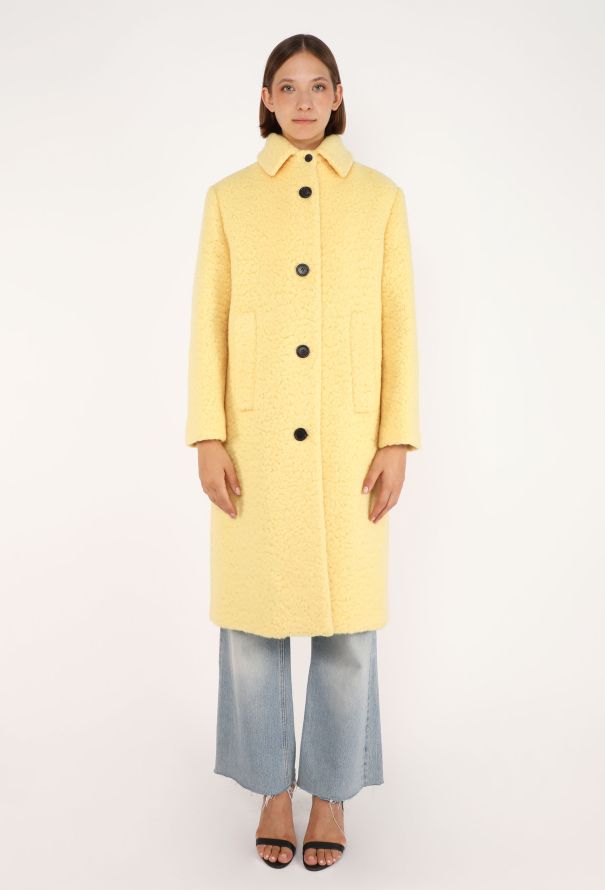

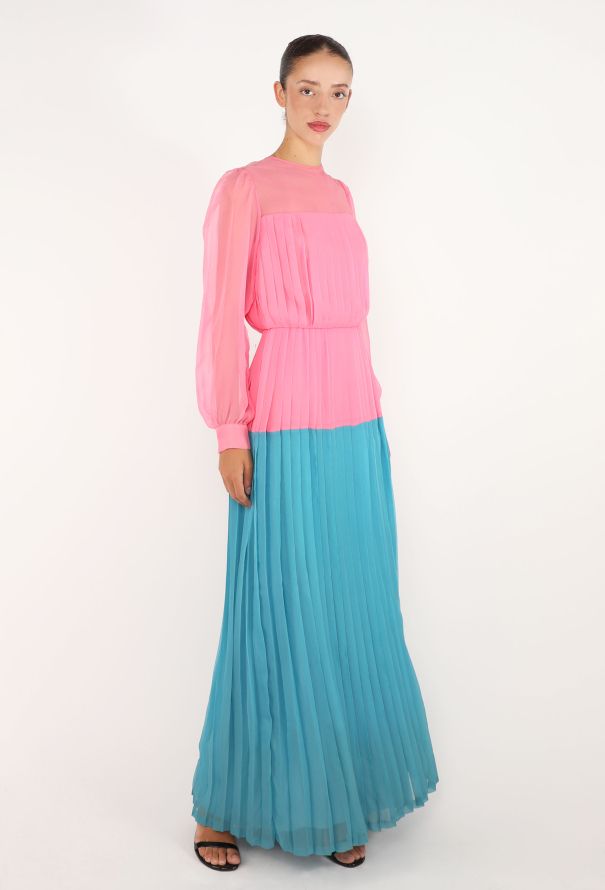
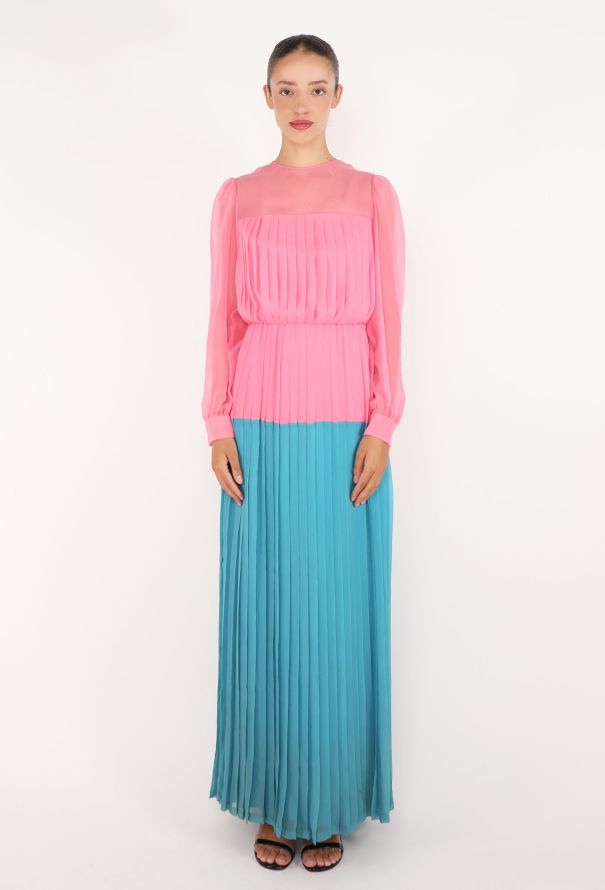
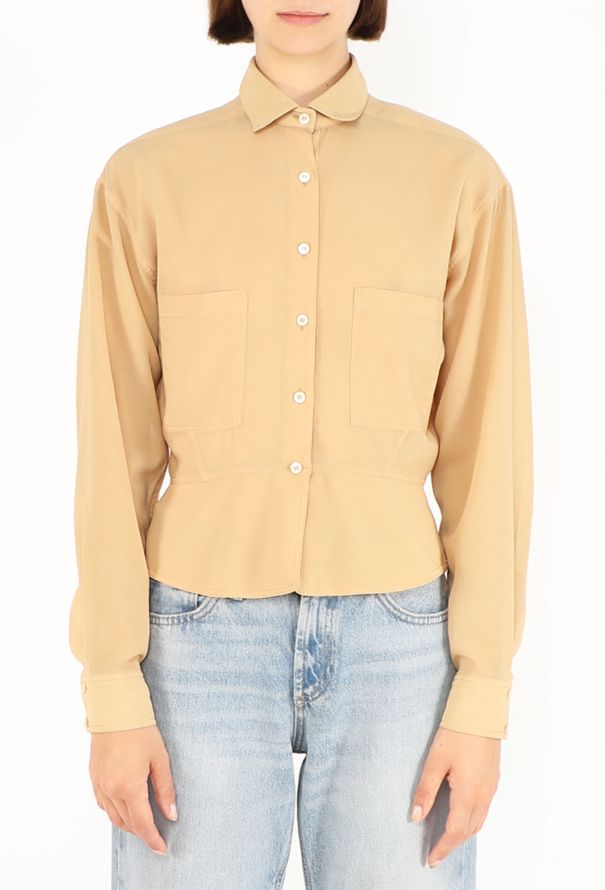
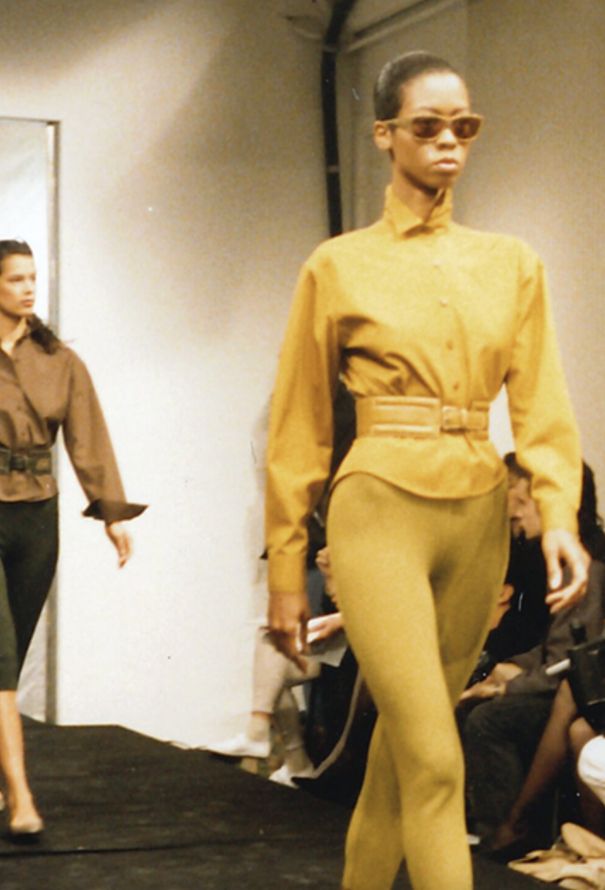
More inspiration
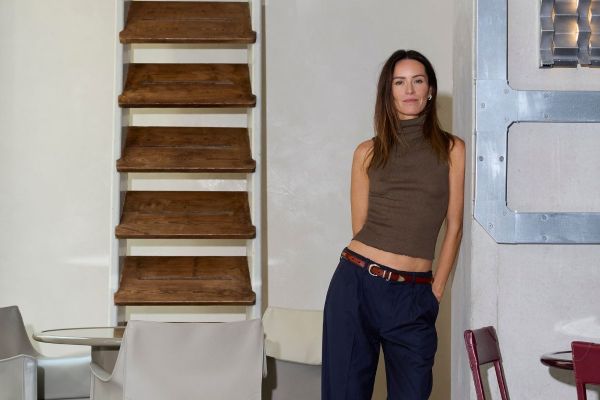
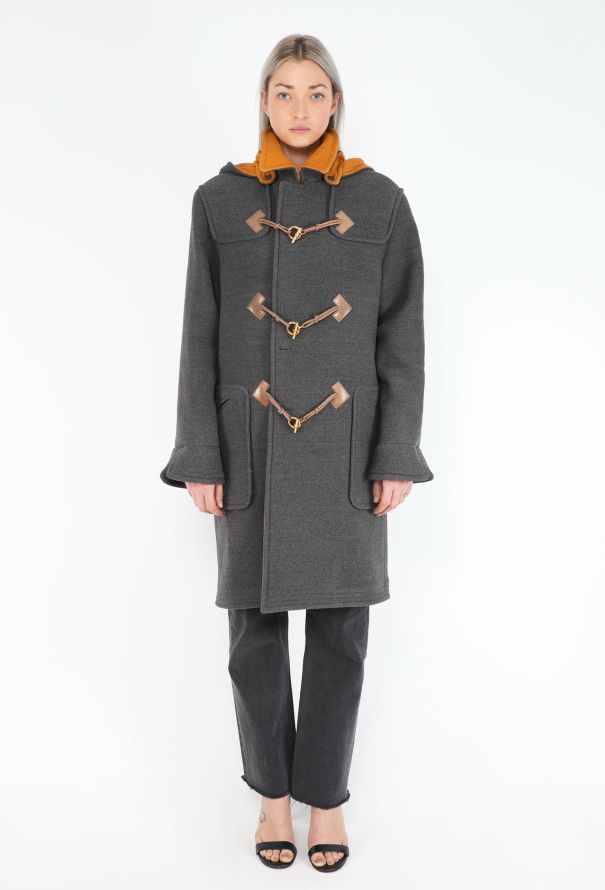
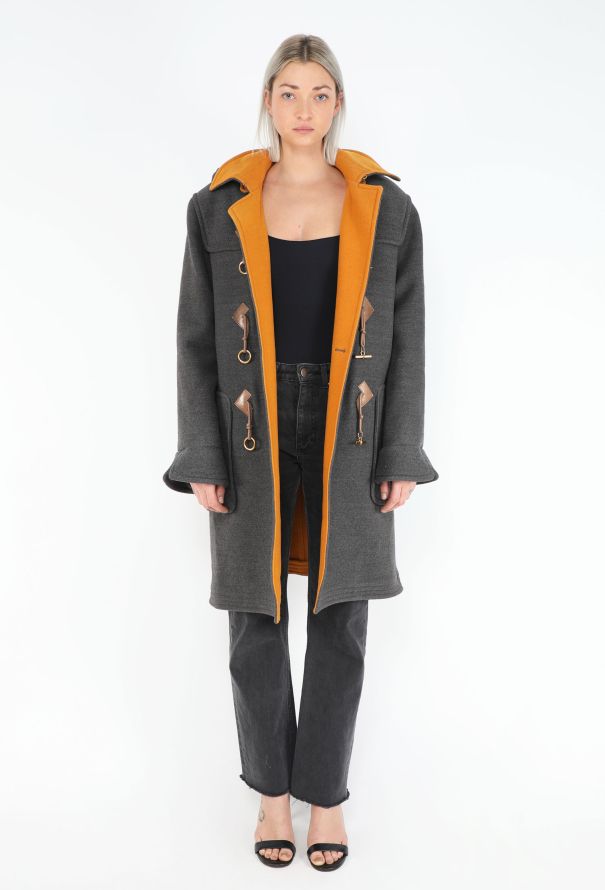
At ReSee, every one of our vintage pieces comes with a story. This is, in large part, thanks to our unmatched community of consignors.
Though parting with such sartorial treasures may not be easy, the exceptional personal care we put into ensuring that they will go on to live a second (or, sometimes even, a third, fourth, or fifth) life offers a thrill — one rivaled only by that of the besotted shopper who adds them to her wardrobe.
Sell with us